Introduction
Pet care in UAE summer requires extra attention because extreme temperatures can quickly threaten a dog’s health. During summer, temperatures in Dubai, Abu Dhabi, and other Emirates can become dangerously high. Even a short walk during peak heat can expose dogs to heat exhaustion or heatstroke.
Unlike humans, dogs cannot cool themselves efficiently through sweating. They mainly regulate body temperature through panting. However, panting becomes less effective in hot, humid conditions. Therefore, responsible pet owners must adjust their daily routines to protect their dogs.
Understanding Pet Care in UAE Summer: 7 Rules to Prevent Dangerous Heatstroke in Dogs helps owners recognize potential risks and create a safer environment. From choosing suitable walking times to recognizing emergency symptoms, simple precautions can make a significant difference.
Why Is Summer Heat Dangerous for Dogs in the UAE?
The UAE’s summer climate creates several challenges for pets. High temperatures, humidity, and hot pavement can quickly increase a dog’s body temperature. Certain breeds face additional risks because of their physical characteristics.
Brachycephalic breeds, including Pugs, Bulldogs, and French Bulldogs, often struggle to breathe efficiently in hot weather. Puppies, senior dogs, overweight pets, and dogs with existing medical conditions may also face greater risks.
Heatstroke occurs when a dog’s body temperature rises beyond its ability to cool down. Without prompt treatment, it can damage internal organs and become fatal.

Consequently, summer pet care should focus on prevention rather than reacting after symptoms appear.
Rule One: Walk Your Dog During Cooler Hours
Choosing the right walking time is one of the most important summer safety measures. During UAE summers, early mornings and late evenings are generally safer than midday. However, pavement temperatures can remain high even after sunset.
Plan walks around local weather conditions rather than following a fixed schedule. Keep outdoor activities short when temperatures remain uncomfortable. Dogs may need additional indoor exercise during particularly hot days.
Before leaving home, check the pavement with your hand. If it feels too hot to hold comfortably, it can burn your dog’s paw pads.
Remember that shaded areas do not always guarantee safe temperatures. Avoid strenuous running, long walks, and outdoor play during extreme heat.
Rule Two: Keep Fresh Water Available Throughout the Day
Dehydration can develop quickly when dogs lose fluids through panting. Therefore, providing constant access to clean drinking water is essential.
Place several water bowls around your home, especially in rooms where your dog spends most of its time. Refill them regularly and clean them to prevent contamination.
When travelling outside, carry a portable water bottle and collapsible bowl. Offer small drinks frequently rather than waiting until your dog appears thirsty.
You can also encourage hydration by providing moisture-rich food when appropriate. However, water should remain your dog’s primary source of hydration.
Watch for signs of dehydration, including dry or sticky gums, unusual tiredness, and reduced urination. If these symptoms appear, contact a veterinarian. Severe dehydration requires urgent medical attention.
Rule Three: Never Leave Your Dog Inside a Parked Car
Leaving a dog inside a parked car is extremely dangerous, even when the windows are slightly open. Vehicle interiors can heat up rapidly under direct sunlight.
Parking in the shade does not eliminate this risk. Air conditioning can also fail, and temperatures may rise quickly if the engine stops.
Therefore, never leave your dog unattended inside a parked vehicle during UAE summer. If your dog cannot accompany you safely, arrange suitable supervision at home instead.
When travelling, keep the air conditioning working and monitor your pet throughout the journey. Plan breaks in safe locations where your dog can drink water and relax.
This rule is especially important during errands, shopping trips, and visits to public places. A seemingly brief stop can become a life-threatening situation.
Rule Four: Create a Cool and Comfortable Indoor Environment
A comfortable indoor space helps dogs recover from outdoor temperatures. During the hottest hours, keep your pet inside an air-conditioned room whenever possible.
Maintain comfortable indoor temperatures and ensure adequate ventilation. Close curtains during direct sunlight to reduce heat entering your home.
Provide a cool resting surface away from windows and heat-producing appliances. Cooling mats may also help, provided they are suitable for your dog and used according to instructions.
Never rely exclusively on fans during extreme heat. Fans may provide some comfort, but they cannot always cool dogs effectively in very hot conditions.
If you live in an apartment, ensure your dog has access to a cool area throughout the day. Avoid leaving pets on enclosed balconies, even when they appear shaded.
Rule Five: Recognize the Early Signs of Heatstroke
Recognizing heatstroke symptoms early can save your dog’s life. Excessive panting is often an initial warning sign, particularly when it continues after resting.
Other symptoms may include excessive drooling, bright red gums, weakness, vomiting, and difficulty walking. As the condition worsens, a dog may become confused, collapse, or experience seizures.
Some dogs may appear unusually restless before becoming lethargic. Do not assume your pet is simply tired after playing outdoors.
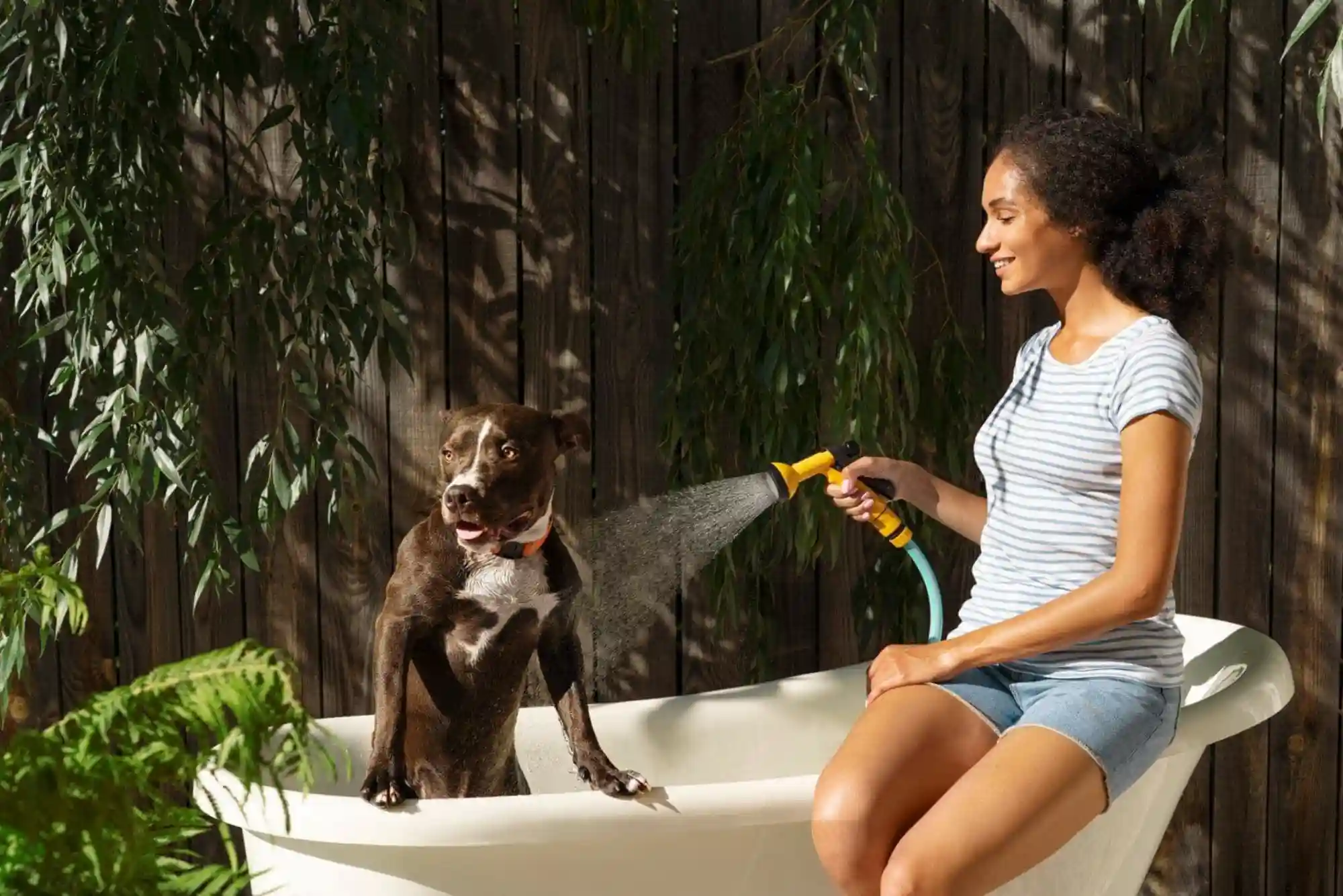
If you suspect heatstroke, move your dog to a cooler area immediately and contact an emergency veterinarian. Begin cooling with cool or lukewarm water, not ice-cold water. Gentle airflow can also help.
Do not force water into a weak or confused dog’s mouth. Never delay veterinary care because your dog appears to improve after cooling.
Heatstroke is a medical emergency. Prompt professional treatment is essential because serious internal complications can develop even after the dog looks better.
Rule Six: Protect Your Dog’s Paws and Avoid Overexertion
Hot pavement, artificial turf, sand, and other exposed surfaces can injure sensitive paw pads. During UAE summer, surfaces may remain hot long after direct sunlight disappears.
Choose grassy, shaded routes whenever conditions permit. However, check the surface temperature before allowing your dog to walk on it.
Watch for limping, licking paws, redness, or visible blisters. These may indicate burns or other injuries requiring veterinary assessment.
Avoid intense exercise during hot weather. Activities such as running, cycling alongside a dog, and extended fetch sessions can raise body temperature rapidly.
Instead, provide indoor enrichment through puzzle feeders, scent games, and short training sessions. These activities help maintain mental stimulation without unnecessary heat exposure.
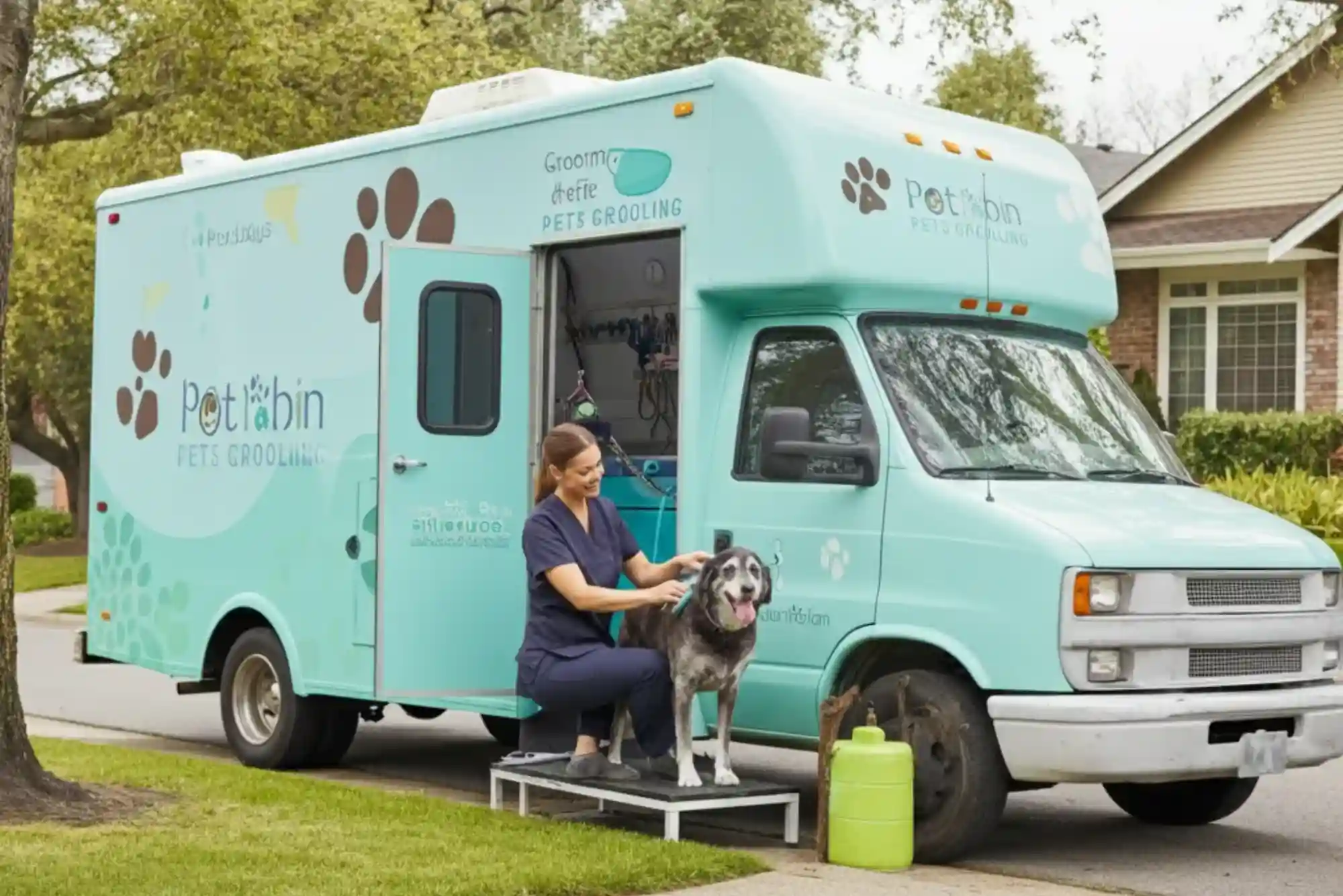
Long-haired dogs may need appropriate grooming, but shaving every coat is not advisable. A dog’s coat can provide insulation and protect its skin. Ask a professional groomer or veterinarian about suitable coat care for your breed.
Rule Seven: Adjust Summer Grooming, Feeding, and Daily Routines
Summer pet care involves more than water and air conditioning. Grooming, feeding schedules, and outdoor arrangements also influence your dog’s comfort.
Brush your dog regularly to remove loose hair and prevent painful matting. Maintain a suitable coat length based on breed and coat type. Never use human sunscreen or grooming products unless your veterinarian confirms they are safe for dogs.
You may prefer feeding your dog during cooler morning or evening hours. Keep food fresh and avoid leaving wet food in hot environments for extended periods.
Plan veterinary appointments, grooming visits, and necessary outdoor trips carefully. Use air-conditioned transport and minimize waiting outside.
Check your dog after every outdoor activity. Look for excessive panting, paw irritation, unusual tiredness, and changes in behaviour.
Consistency is essential. A reliable summer routine reduces unnecessary exposure and makes it easier to notice unusual symptoms before they worsen.
Which Dogs Need Extra Protection During UAE Summer?
Although every dog can experience heatstroke, some require additional precautions.
Flat-faced breeds often struggle to release heat because of their shortened airways. Senior dogs may have reduced exercise tolerance, while puppies can become overwhelmed by heat and activity.
Overweight dogs may also experience greater difficulty regulating their body temperature. Dogs with heart or respiratory conditions require particular attention.
Never assume a dog is safe simply because it has lived in the UAE for several years. Acclimatization does not eliminate the risk of heatstroke.
Consult your veterinarian about exercise limits and cooling strategies suited to your dog’s age, breed, weight, and medical history.
Frequently Asked Questions
How hot is too hot to walk a dog in the UAE?
There is no single safe temperature for every dog. Risk depends on humidity, sunlight, pavement temperature, breed, age, and activity level. During extreme UAE summer weather, indoor exercise is often the safer choice.
What are the first signs of heatstroke in dogs?
Early warning signs include excessive panting, drooling, restlessness, and unusual tiredness. More serious symptoms include vomiting, weakness, confusion, collapse, and seizures. Suspected heatstroke requires immediate veterinary attention.
Can dogs stay outside during UAE summer?
Dogs should not be left outside in extreme heat without suitable protection. Shade alone may not provide adequate cooling. Provide fresh water, access to a cool indoor environment, and only brief outdoor breaks when conditions allow.
Should I pour cold water on a dog with heatstroke?
Use cool or lukewarm water to begin cooling your dog while arranging emergency veterinary care. Avoid ice-cold water and do not delay transport for treatment. Follow the veterinarian’s instructions for continued cooling.
How can I keep my dog cool indoors without air conditioning?
Move your dog to the coolest available room, close curtains, provide fresh water, and use suitable cooling mats. Fans may help in some conditions, but they are not a reliable substitute for air conditioning during extreme heat.
Are some dog breeds more vulnerable to heatstroke?
Yes. Pugs, Bulldogs, French Bulldogs, and other flat-faced breeds are particularly vulnerable. Puppies, senior dogs, overweight pets, and dogs with certain medical conditions may also face increased risks.
Conclusion
Pet Care in UAE Summer: 7 Rules to Prevent Dangerous Heatstroke in Dogs begins with understanding the risks and making practical daily adjustments. Cooler walking times, constant access to fresh water, a comfortable indoor environment, and careful monitoring can protect your dog during extreme weather.