Introduction
Sandstorms are a recurring environmental challenge across the United Arab Emirates during seasonal weather shifts. Strong desert winds lift massive clouds of fine mineral dust and microparticulate matter into the atmosphere. While residents quickly adjust their daily routines and secure their homes, pet owners must take extra precautions to safeguard their animals. Dogs and cats process airborne particles differently than humans, making them highly susceptible to atmospheric pollution.
Fine dust particles enter the upper respiratory tract of domestic animals with ease during dusty weather. These invisible irritants settle deep inside the lungs, triggering airway inflammation, severe allergic reactions, and acute breathing difficulties. Brachycephalic breeds, senior pets, and young animals face elevated health risks during sudden weather events. Learning How to Protect Pets During UAE Sandstorms: Respiratory Care Guide practices helps pet parents prevent medical emergencies and maintain safe indoor environments.
Understanding the Risks of Desert Dust for Dogs and Cats
Desert sandstorms carry micro-sized particulate matter known as PM2.5 and PM10. These tiny particles consist of sharp mineral fragments, silica dust, spores, and environmental pollutants. When pets breathe in dusty outdoor air, larger particles irritate their nasal passages while microparticulates travel straight to their pulmonary tissues. This airborne exposure damages the delicate mucous membranes lining their airways.
Animals naturally sniff ground surfaces during outdoor walks, increasing their overall intake of settleable dust. Dogs and cats also ingest airborne particles during their daily grooming routines as they lick dust off their fur. Over time, recurring dust exposure causes chronic bronchial swelling, lung tissue scarring, and persistent upper respiratory infections. Domestic pets rely entirely on their owners to shield them from these harsh climatic hazards.
Recognizing Early Signs of Respiratory Distress in Pets
Early detection of respiratory trouble allows owners to intervene before a minor irritation becomes a life-threatening crisis. Pet parents across Dubai, Abu Dhabi, and the Northern Emirates should monitor their animals closely during bad weather. Respiratory distress manifests through both physical behaviors and altered breathing patterns.
Excessive coughing, frequent sneezing, and persistent nasal discharge serve as primary indicators of airway irritation. You may notice your dog or cat wheezing, panting heavily without physical exertion, or breathing rapidly while resting. Open-mouth breathing in cats is always a medical emergency that demands immediate veterinary attention. Pale or bluish gums indicate reduced oxygen levels in the bloodstream. Other subtle warning signs include lethargy, loss of appetite, watery eyes, and uncharacteristic restlessness.

High-Risk Pet Breeds and Vulnerable Animal Groups
While every domestic animal requires protection during desert dust storms, certain groups face much higher health risks. Flat-faced or brachycephalic dog breeds such as French Bulldogs, Pugs, English Bulldogs, and Boxers possess shortened air passages. Flat-faced cat breeds like Persians and Exotic Shorthairs suffer from similar anatomical limitations. Their narrow nostrils and elongated soft palates make efficiently filtering dust particles nearly impossible.
Senior pets often suffer from weakened immune systems or underlying cardiac and pulmonary conditions. Younger puppies and kittens possess underdeveloped lungs that react aggressively to environmental toxins. Furthermore, pets diagnosed with feline asthma, canine bronchitis, or chronic seasonal allergies experience severe flare-ups during atmospheric storms. These vulnerable animals require strict indoor isolation until outdoor air quality returns to safe baseline levels.
Preparing Your Home Environment Before a Sandstorm Hits
Creating an airtight and purified living space is your primary line of defense against desert dust. Monitor local weather updates from the National Center of Meteorology to anticipate approaching dust clouds. As soon as atmospheric warnings go live, seal all exterior doors and windows completely using heavy-duty weather stripping.
Switch your home HVAC systems to internal air recirculation mode to stop outdoor air intake. Inspect and replace your home AC filters regularly with high-efficiency particulate air models designed to trap microscopic dust. Run portable HEPA air purifiers inside the primary rooms where your pets rest and sleep. Keep indoor humidity levels balanced between forty and fifty percent to soothe dry nasal passages and suppress floating room dust.
Outdoor Care and Bathroom Routine Adjustments
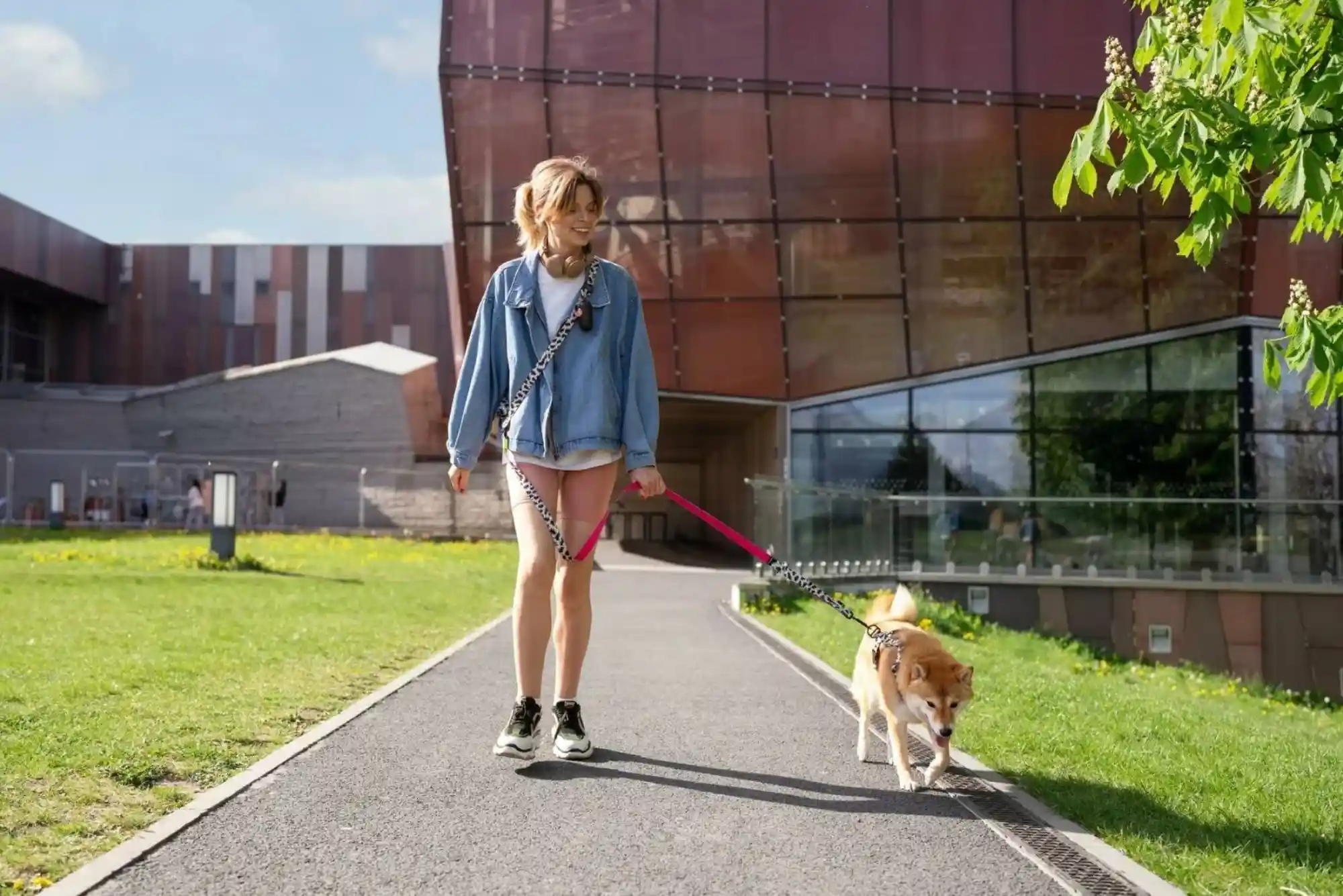
When a sandstorm hits the region, suspend all non-essential outdoor activities immediately. Long outdoor walks, park visits, and intense exercise sessions must stop until outdoor visibility and air quality recover. Physical exertion forces animals to breathe faster and deeper, pulling massive quantities of fine dust into their lower lung chambers.
For dogs needing bathroom breaks, keep trips outdoors brief and strictly utilitarian. Guide your dog to sheltered garden areas or covered courtyard spaces close to your home entry. Avoid open sand fields, active construction zones, and high-wind corridors where dust concentration peaks. For cats, ensure clean indoor litter boxes are easily accessible in quiet rooms away from drafty doors.
Post-Walk Hygiene and Cleaning Routines for Pets
Fine sand particles cling invisibly to your pet’s coat, paws, and facial hair after even a brief bathroom break. Leaving dust on their coat leads to skin irritation and accidental ingestion during self-grooming. Establish a systematic cleaning process immediately upon stepping inside the house.
Wipe down your pet’s fur thoroughly using a damp microfiber cloth or pet-safe hygienic wipes. Pay special attention to their face, chest, underbelly, and paw pads where grit gathers. Flush their eyes gently with sterile saline solution if you spot redness or minor watering. Clean out their outer ears with a vet-approved cleaning fluid to remove trapped debris. Keep fresh, clean water bowls filled at all times to encourage drinking, which keeps throat tissues moist and flushes out swallowed dust particles.
Essential First Aid and Emergency Action Plan
Every UAE pet owner should maintain a dedicated emergency health kit tailored for harsh weather events. Stock your kit with sterile eye wipes, saline flushes, vet-prescribed allergy medications, antihistamines, and temporary protective booties. Keep clear digital copies of your pet’s medical history and vaccination records saved on your mobile phone.
Save contact numbers for your local veterinary clinic and twenty-four-hour emergency animal hospitals in Abu Dhabi or Dubai. If your pet shows severe signs of respiratory distress, avoid panicking. Move them into a cool, air-conditioned room with an active air purifier immediately. Contact your veterinarian right away and describe their exact physical symptoms. Never administer human respiratory medications, decongestants, or unapproved home remedies to pets, as these substances can prove toxic.
Long-Term Respiratory Care for UAE Pets
Living in an arid desert climate requires continuous, year-round preventive respiratory care for domestic animals. Schedule annual wellness examinations with your veterinarian to evaluate your pet’s lung and cardiovascular health. Discuss proactive medical treatments, preventative inhalers, or dietary supplements if your animal has a history of seasonal allergies.
Invest in high-quality home filtration setups, clean air conditioning ducts twice yearly, and wash pet bedding weekly in hot water. Providing high-quality nutrition rich in omega-three fatty acids supports healthy lung tissue and reduces systemic inflammation. By establishing robust indoor routines and staying vigilant during atmospheric changes, you ensure your beloved companion enjoys a happy, healthy, and safe life in the UAE.
Frequently Asked Questions
Can sandstorms cause long-term respiratory damage in pets?
Yes, repeated exposure to fine desert dust can lead to chronic airway inflammation, bronchitis, and reduced lung capacity over time. Protecting pets during dusty weather prevents cumulative tissue damage.
What should I do if my dog sneezes constantly after a sandstorm walk?
Constantly sneezing indicates dust particles are irritating your dog’s nasal passages. Wipe their face with a damp cloth, offer fresh drinking water, and monitor them closely. Contact your vet if sneezing persists over twenty-four hours.
Are air purifiers necessary for pets in the UAE?
Yes, air purifiers equipped with true HEPA filters effectively remove micro-dust, pollen, and airborne pollutants from indoor spaces, protecting sensitive animal lungs.
Is it safe to take my cat onto a balcony during a sandstorm?
No, balcony areas accumulate high concentrations of airborne dust and wind-driven grit. Keep cats indoors with doors and windows completely closed during dusty conditions.
How long after a sandstorm is it safe to resume normal outdoor activities?
Wait until official meteorological alerts end and visible airborne dust clears completely. Checking daily air quality index reports helps confirm when outdoor walking paths are safe.
Conclusion
Understanding How to Protect Pets During UAE Sandstorms: Respiratory Care Guide procedures is essential for every pet parent living in the region. Desert weather patterns bring fine particulate dust that poses real risks to canine and feline airway health. By securing your home, limiting outdoor exposure, maintaining rigorous grooming habits, and recognizing early warning signs, you protect your pets from severe respiratory complications.